

The estate’s story began in 1880 with Emilio Socci and has continued through generations dedicated to vine and olive cultivation. Today, under the guidance of Annamaria Socci, Le Masse di Lamole is an authentic Chianti estate, with around 5 hectares of vineyards managed through environmentally respectful and biodiversity-friendly practices.

The estate’s story began in 1880 with Emilio Socci and continues through generations dedicated to vine and olive cultivation. Today, under the leadership of Annamaria Socci, Le Masse di Lamole represents an authentic Chianti estate with around 5 hectares of vineyards cultivated using sustainable and biodiversity-friendly methods.
At Le Masse di Lamole, we have chosen to preserve some of the traditions that have shaped the Lamole area and the way wine has been made in Chianti for centuries.
It is a choice that requires commitment and care, but one that represents a fundamental value for us: safeguarding the landscape, agricultural practices and winemaking culture that make this area unique.
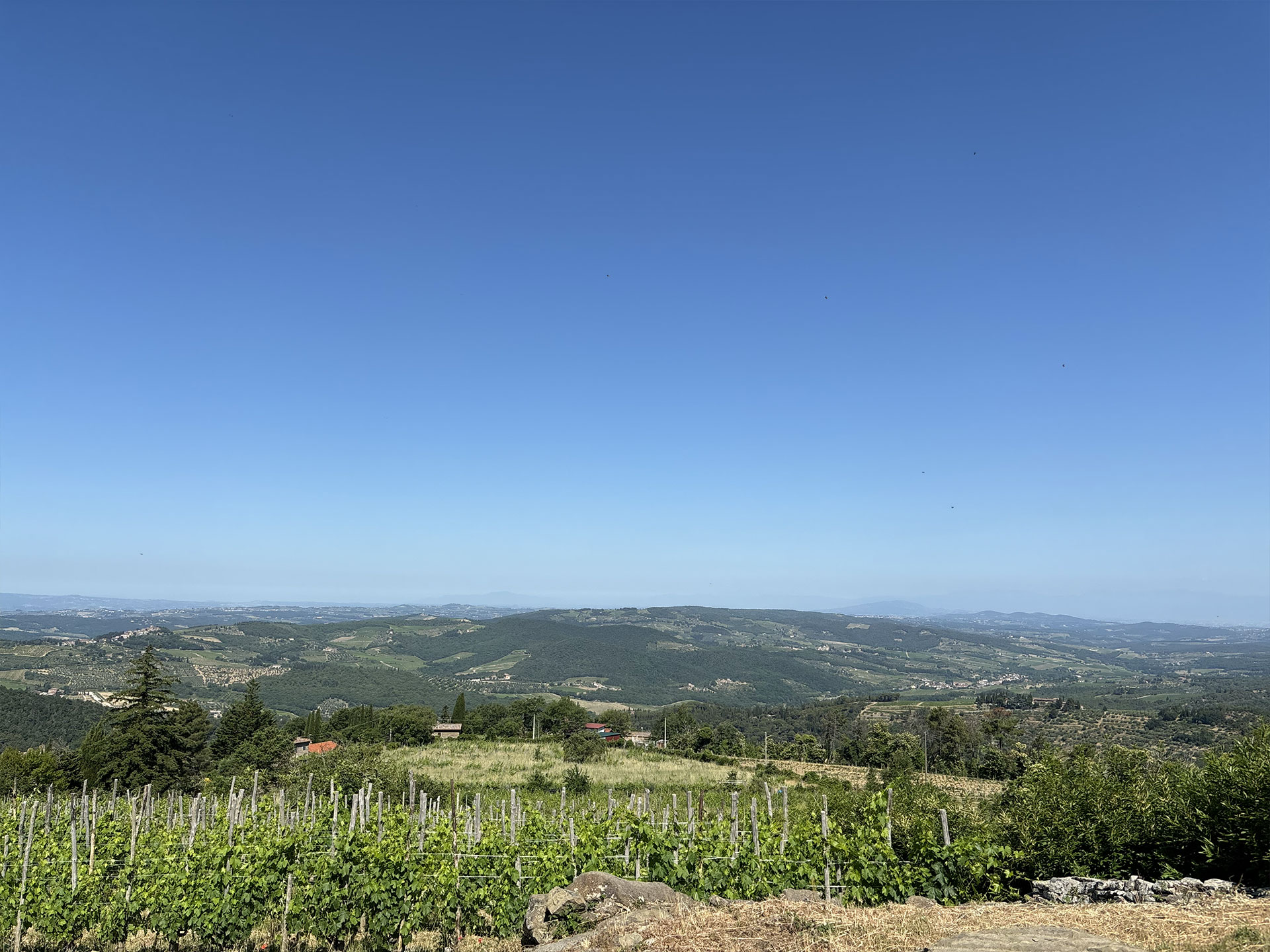
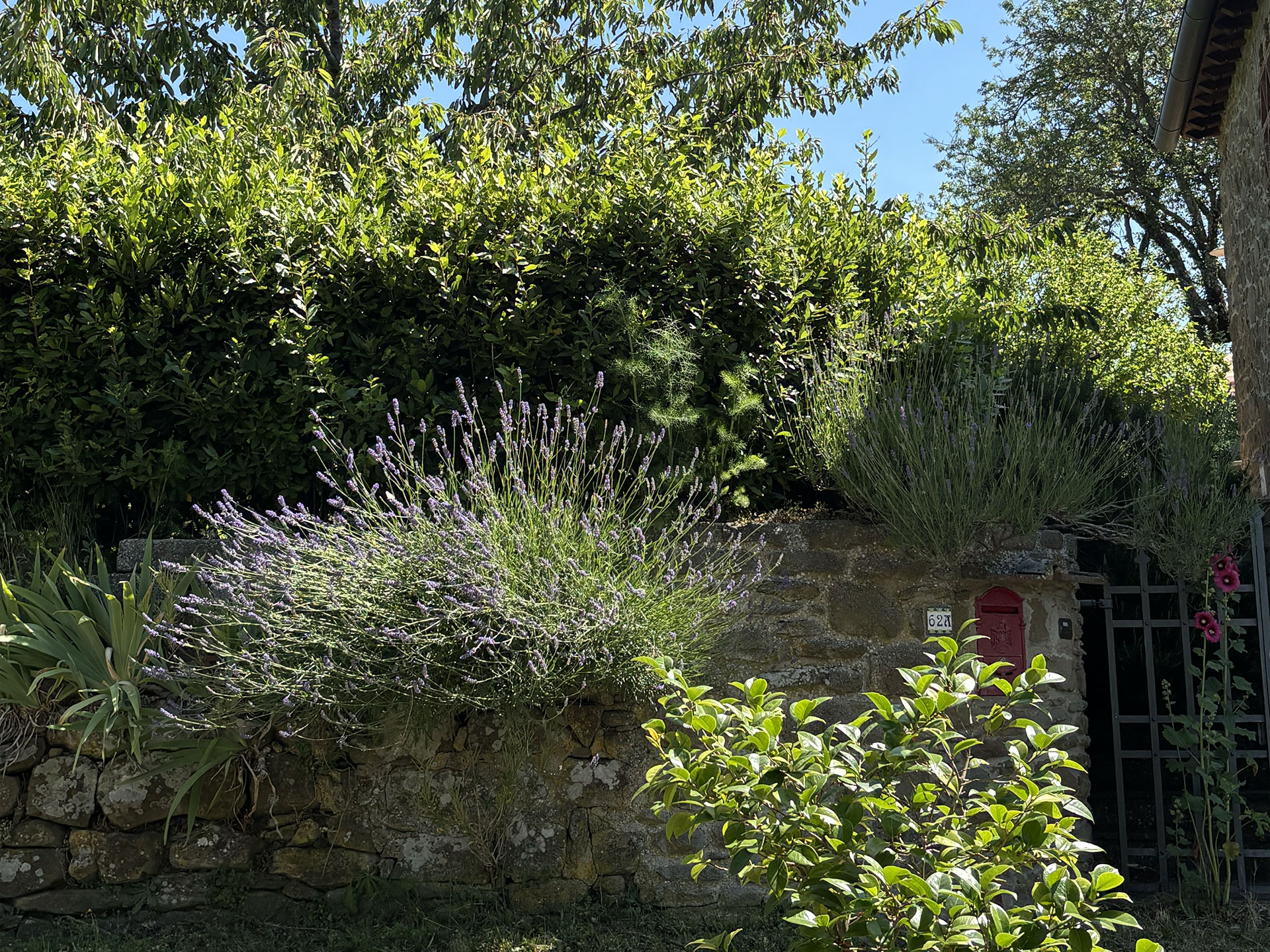
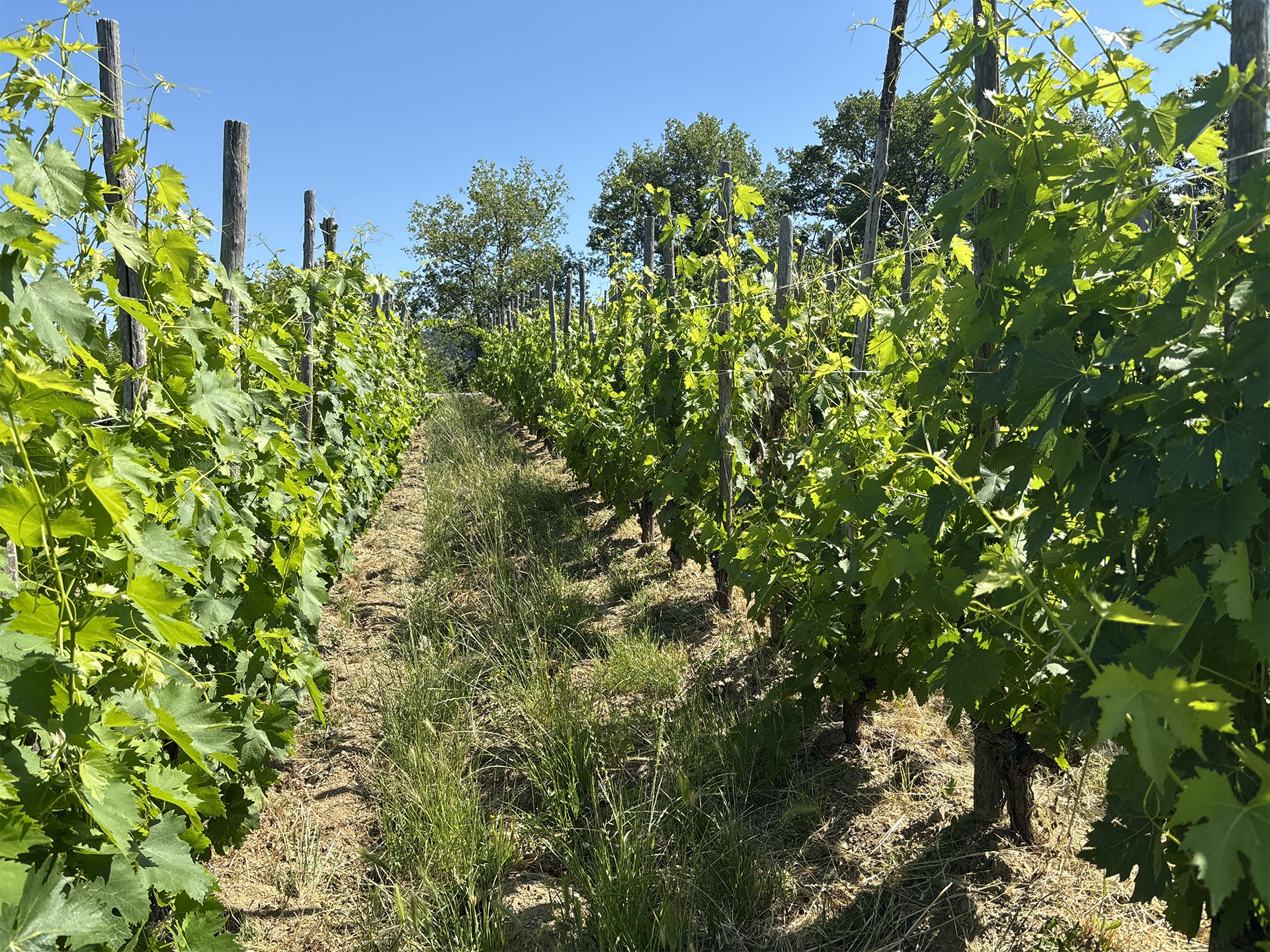
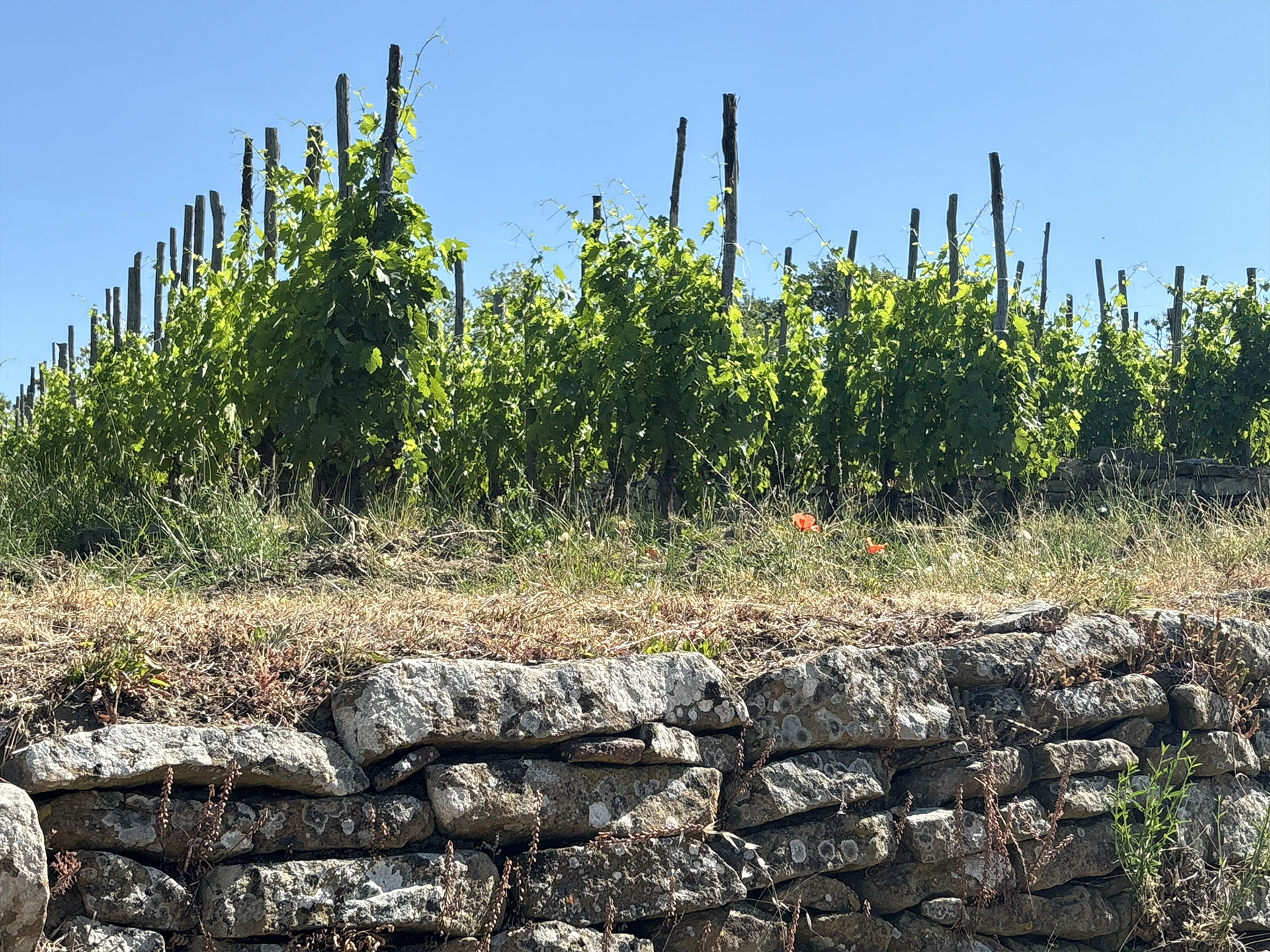
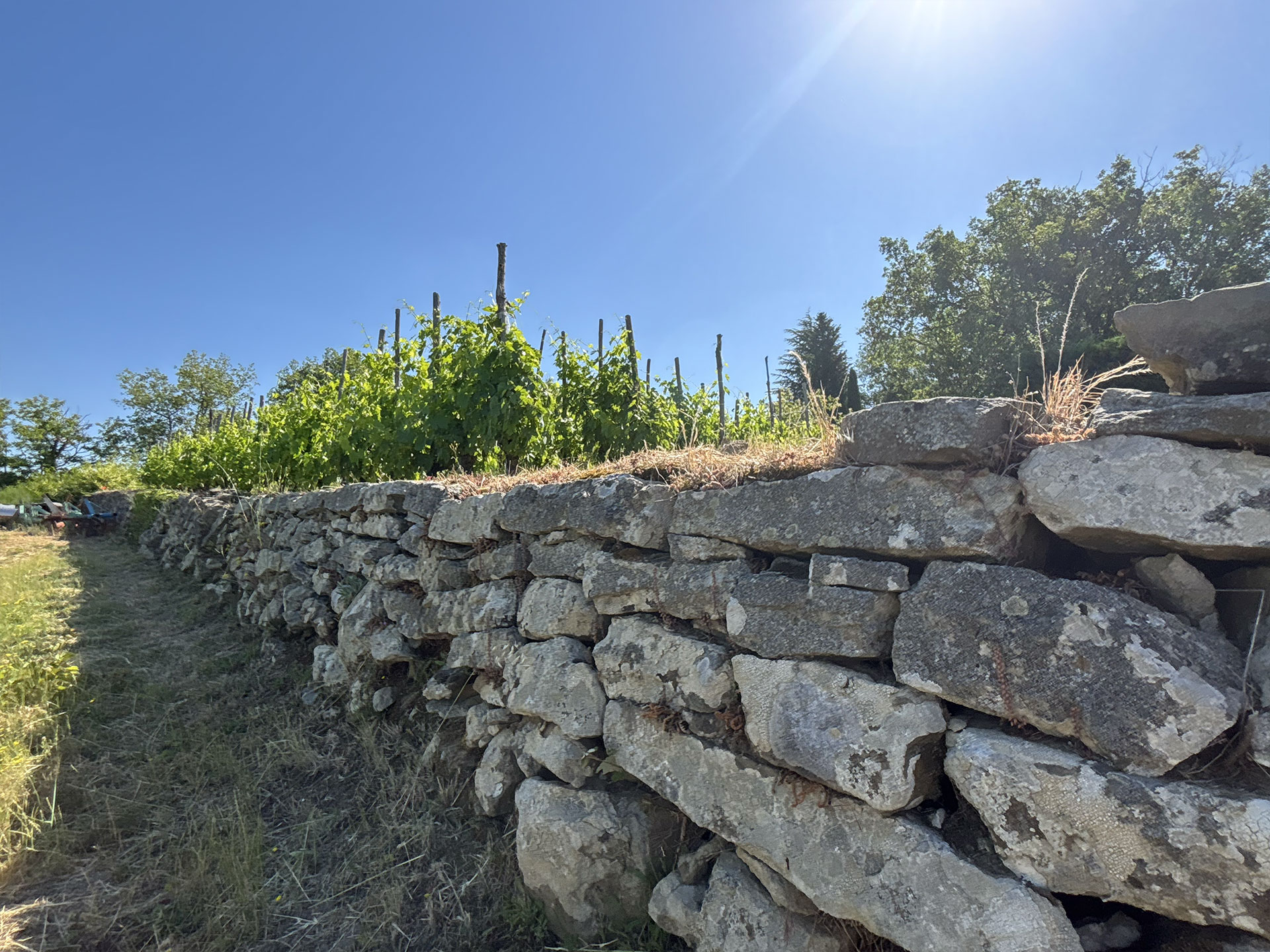
The terraces are one of the most authentic expressions of the relationship between agriculture and the land in Chianti. For centuries, farmers have shaped the hillsides with dry-stone walls and terraces, making it possible to cultivate vines while also helping to preserve the landscape.
At Le Masse di Lamole, we have chosen to preserve the original terraces found throughout our vineyards, maintaining their characteristic dry-stone walls. This commitment contributes to the protection of a landscape officially recognised as a “Historic Rural Landscape.”
It is on these terraces that we continue to cultivate vines using the “alberello” bush-vine method, an ancient traditional practice in Lamole that remained in use throughout the area until the 1970s and is now preserved as part of our winemaking heritage.
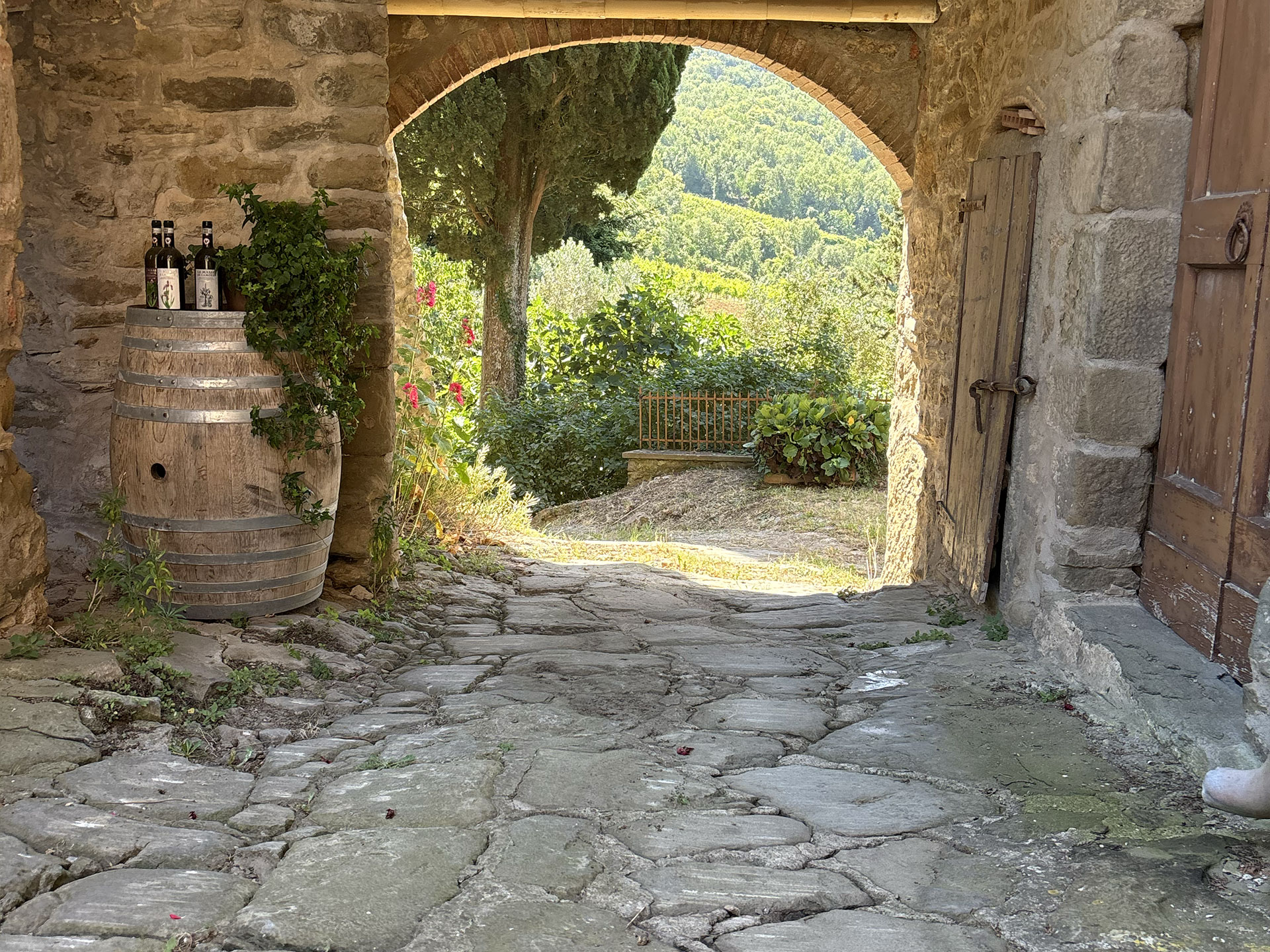
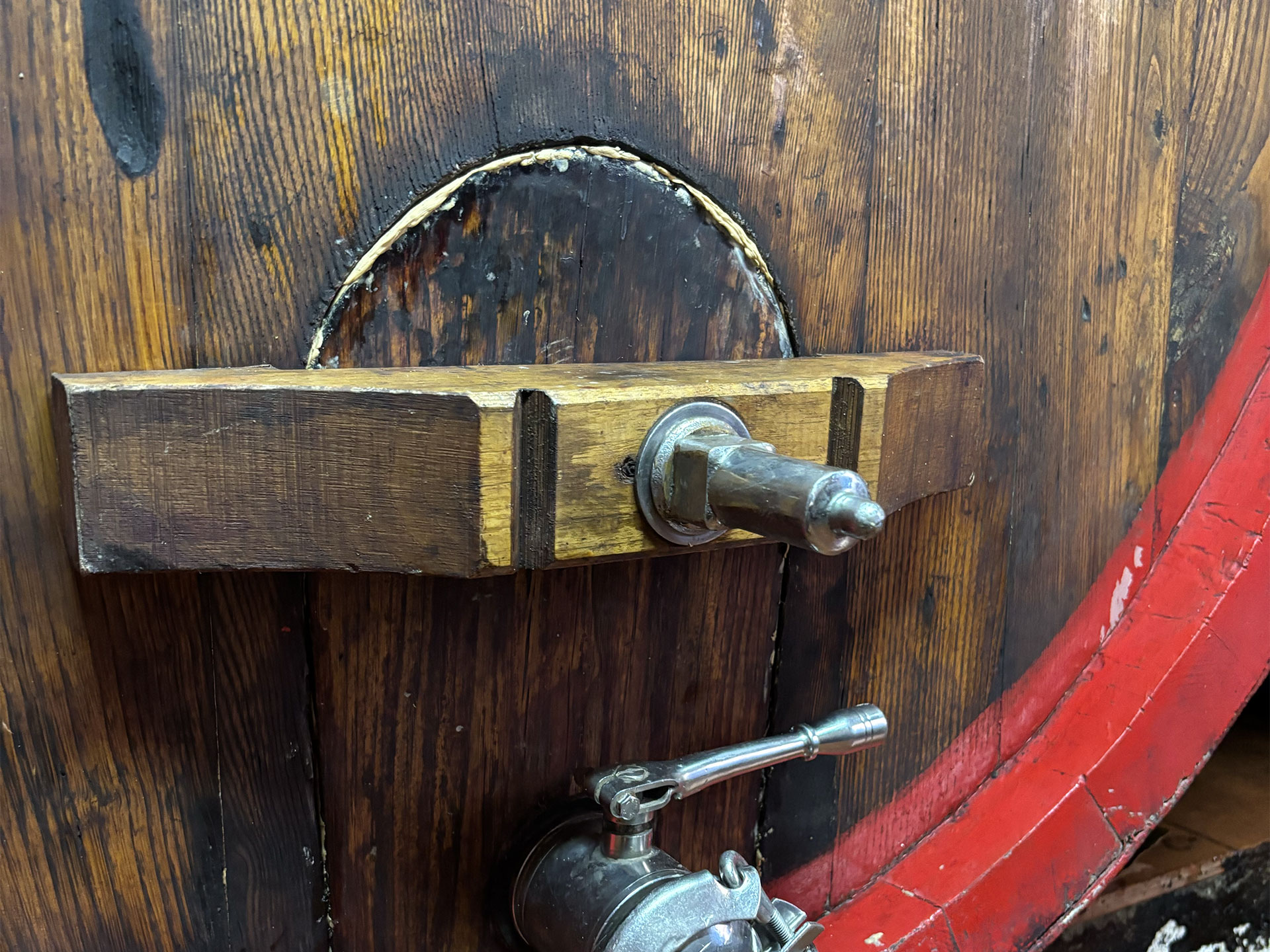
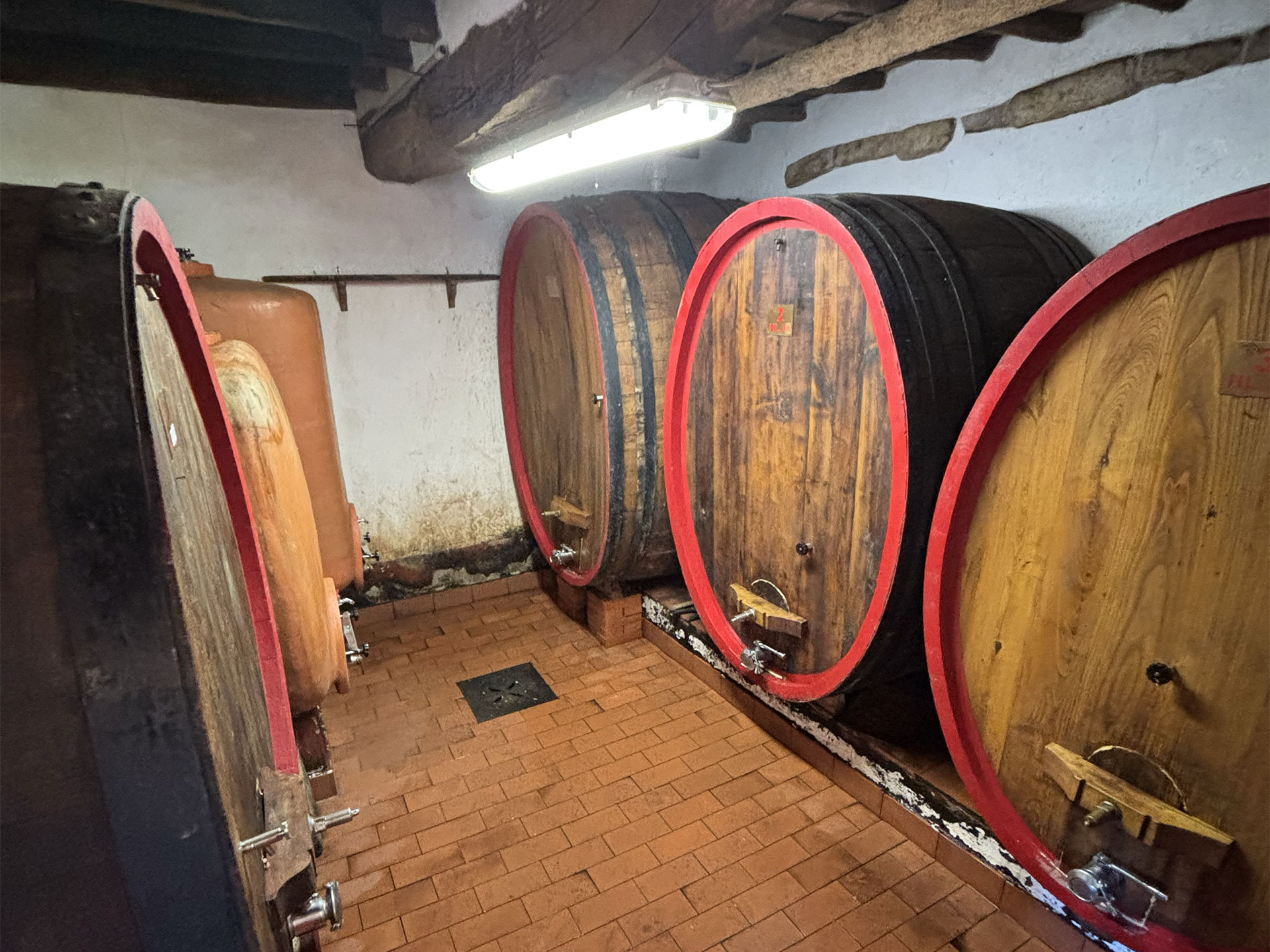
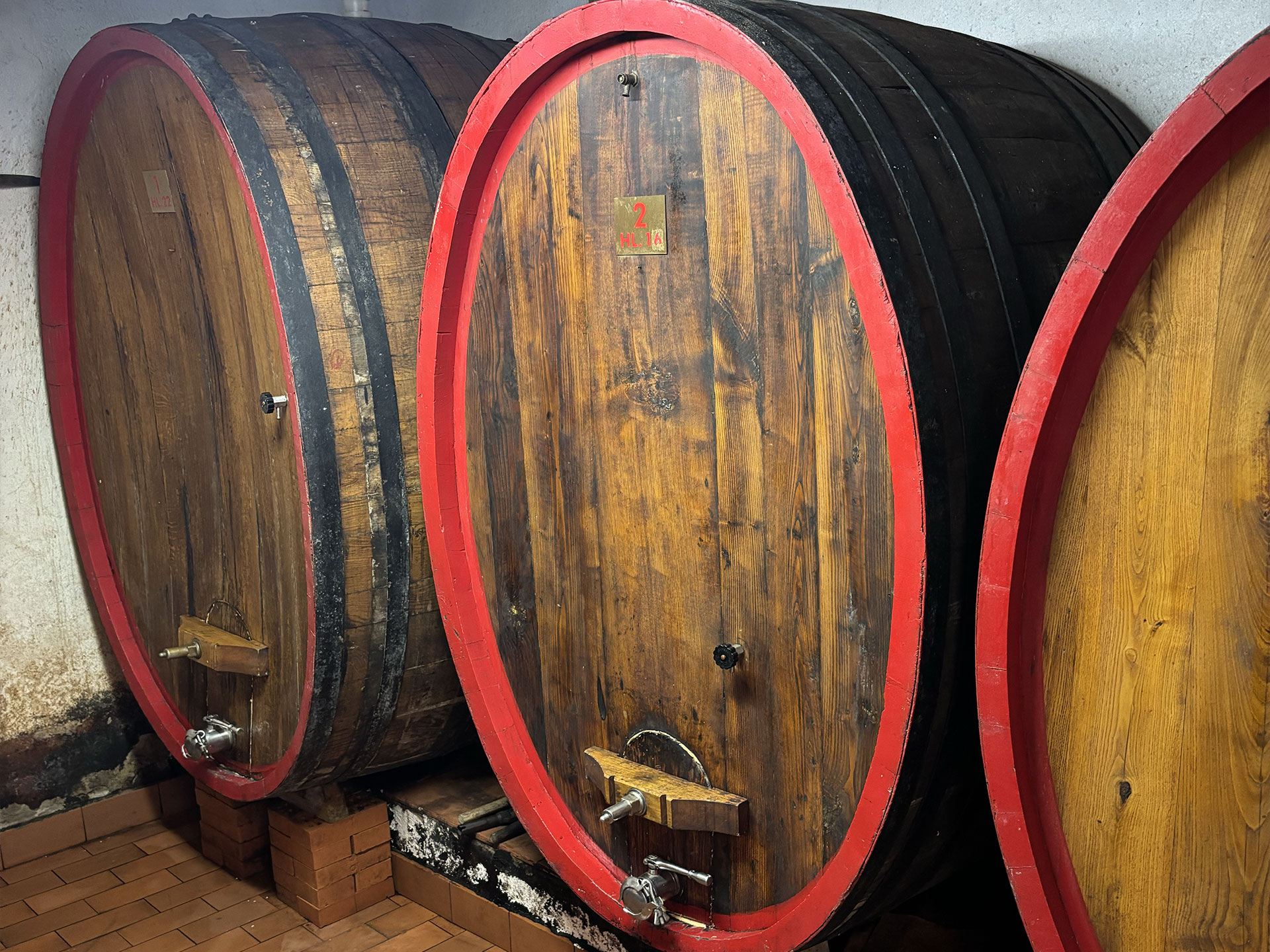
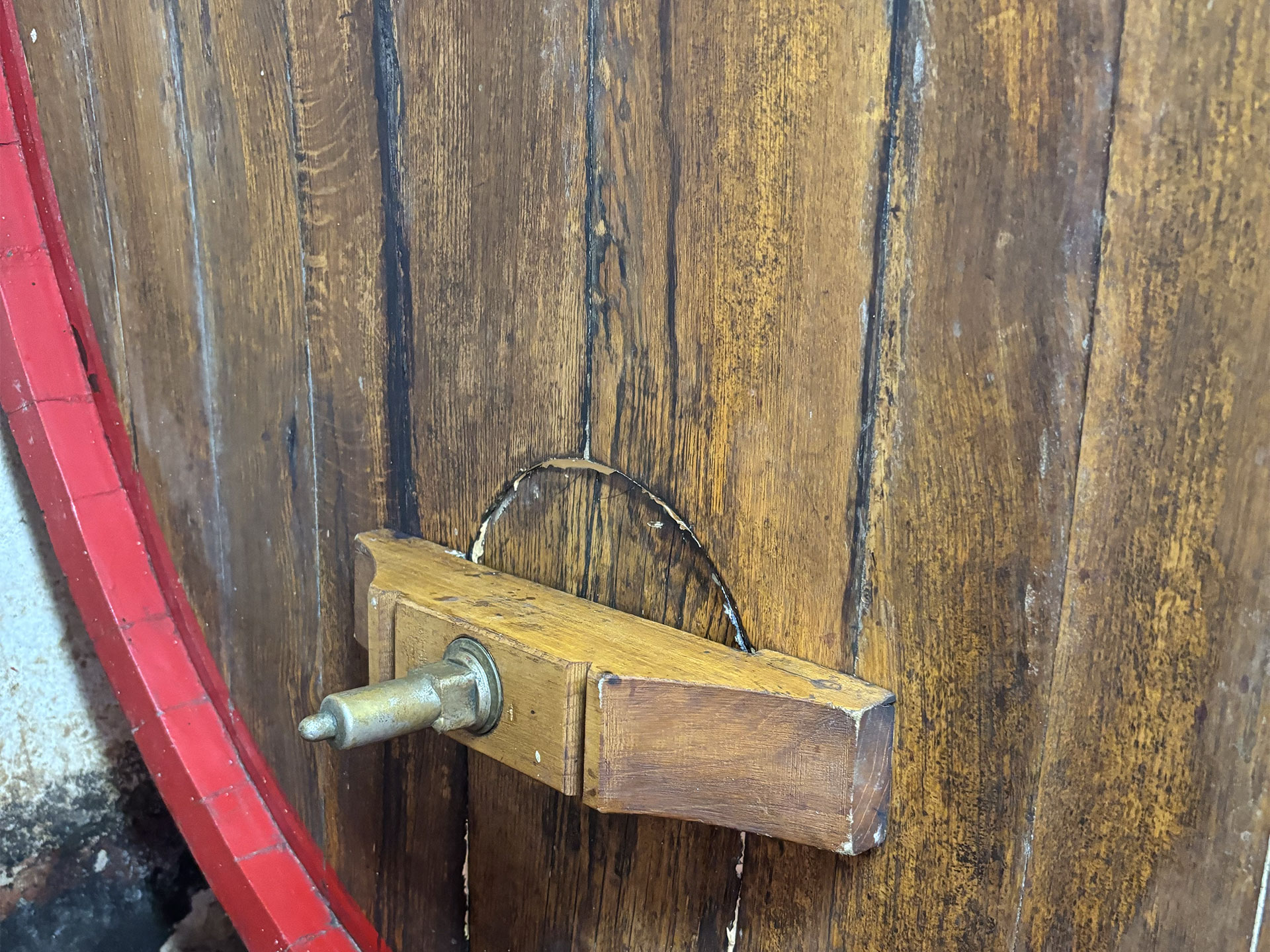
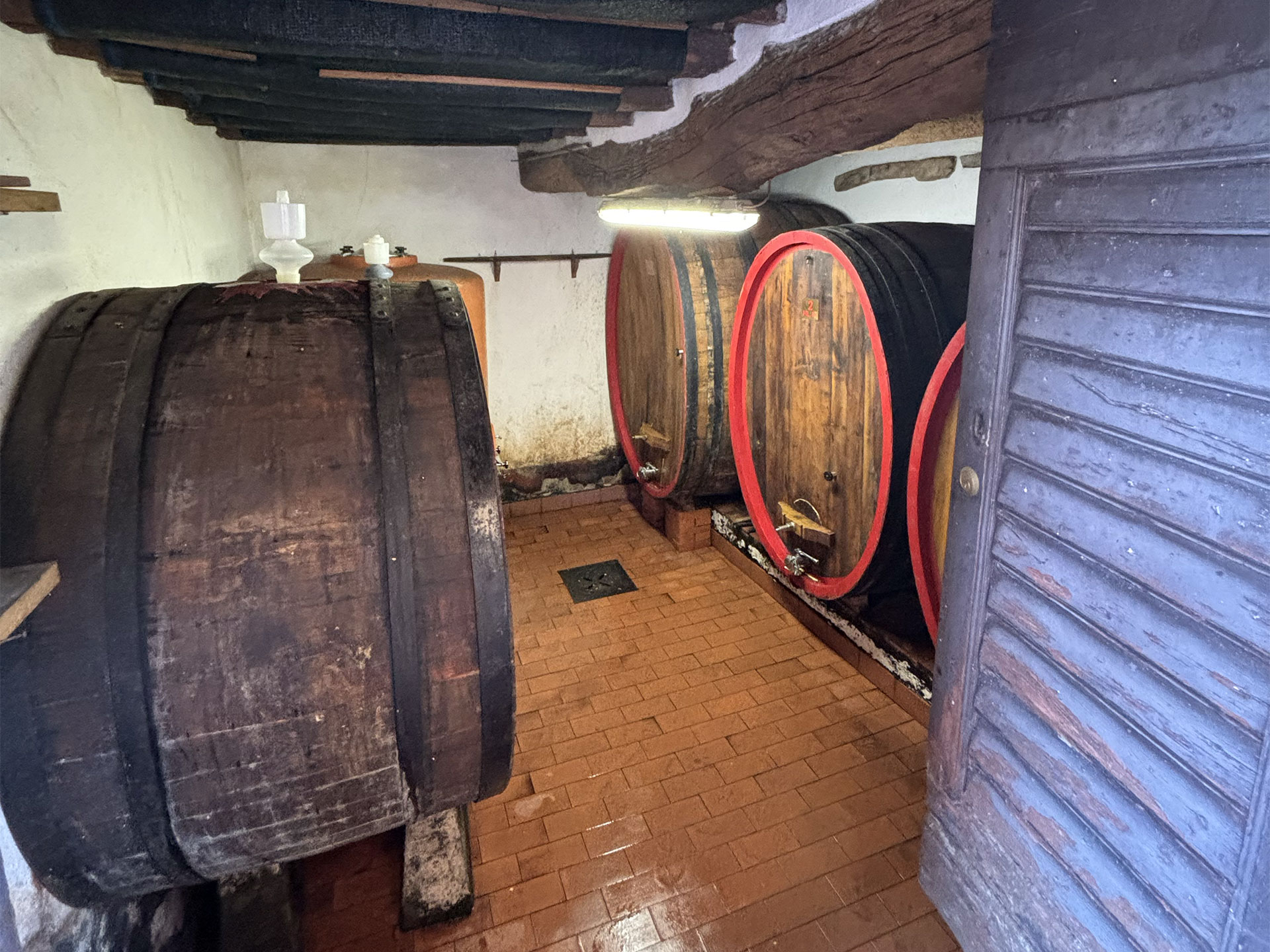
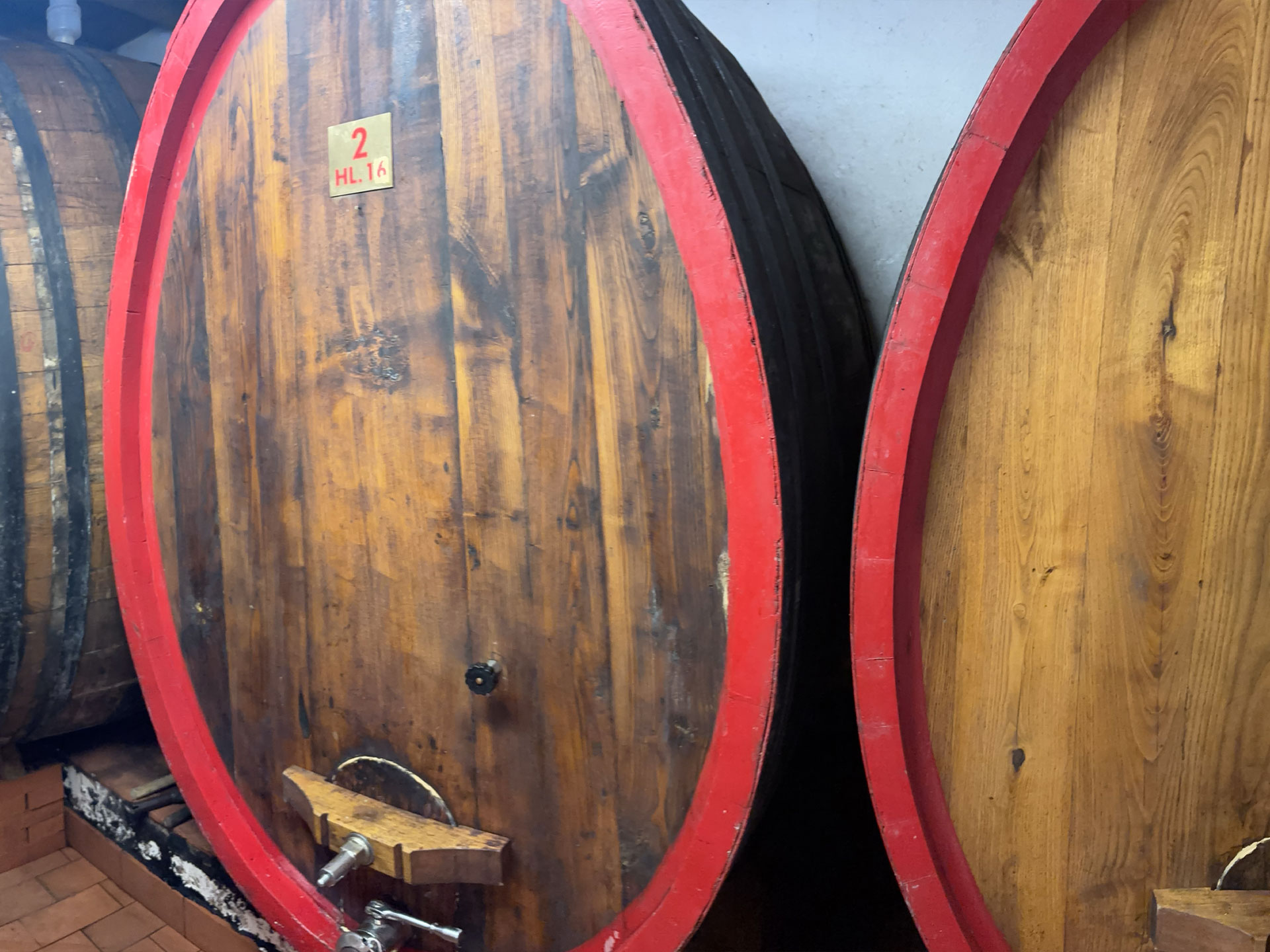
Ageing wine in large wooden casks has always been part of Chianti’s winemaking tradition. For this reason, we chose to restore the decades-old casks in our cellar and continue using them to age our wines.
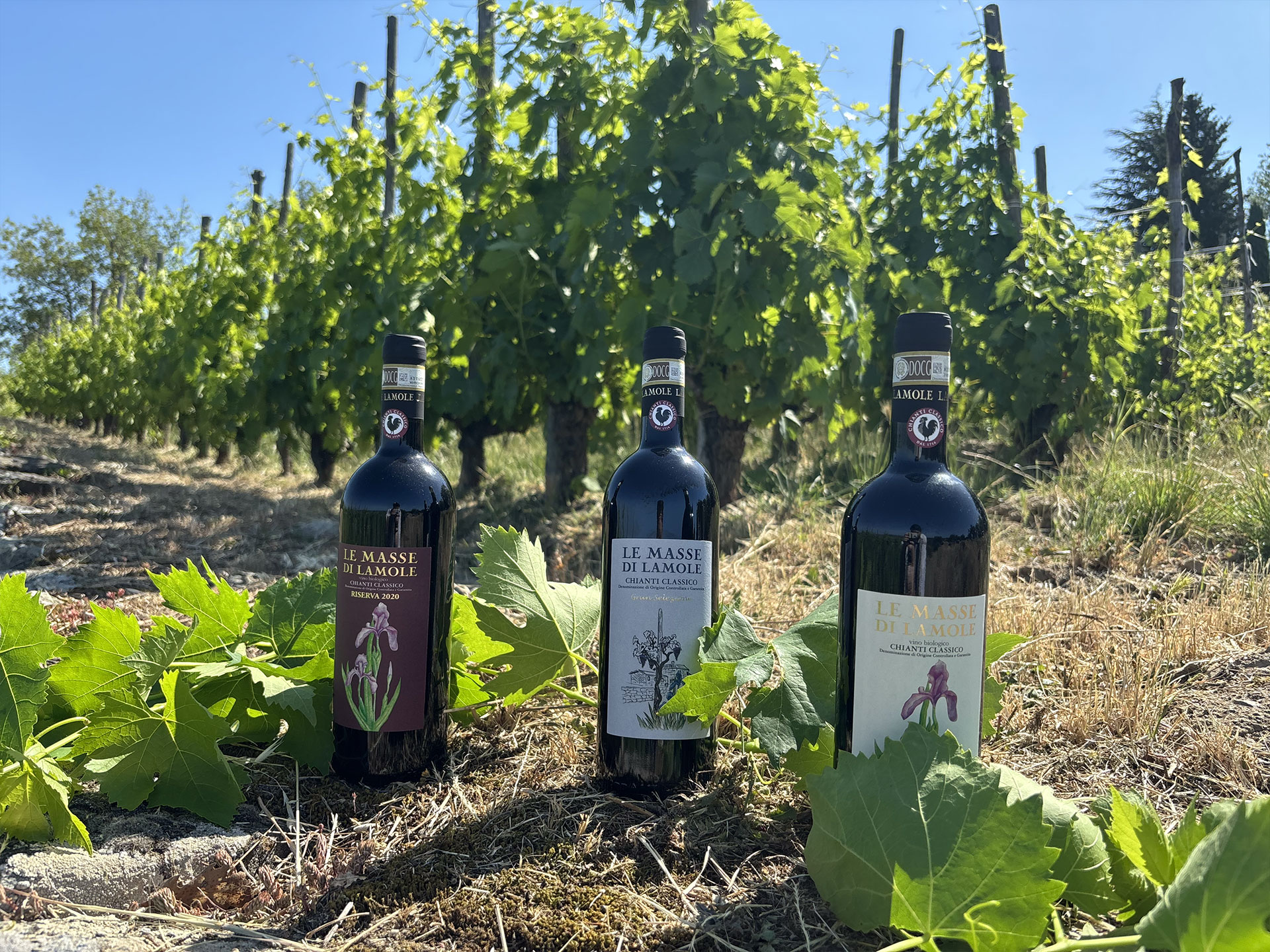
Each type of wood has a specific role: chestnut for Chianti Classico and Chianti Classico Gran Selezione, and oak for Chianti Classico Riserva.
A part of the cellar’s heritage that continues to serve its purpose, bringing together the traditions of the past with our own vision of wine.
In May, the orris transforms the Chianti landscape, giving Lamole a distinctive atmosphere. It is the symbolic flower of Florence, but for our winery it represents much more.
Once dried, its roots were highly sought after in France for use in the cosmetics industry and helped the company survive even during its most difficult periods.
The orris is therefore as much a part of our history as the vine itself. If we are able to continue cultivating the land and producing wine in Lamole today, we also owe something to this flower.
That is why we have chosen to continue growing it and to make it the symbol of Le Masse di Lamole — a link between our past, our land and our future.
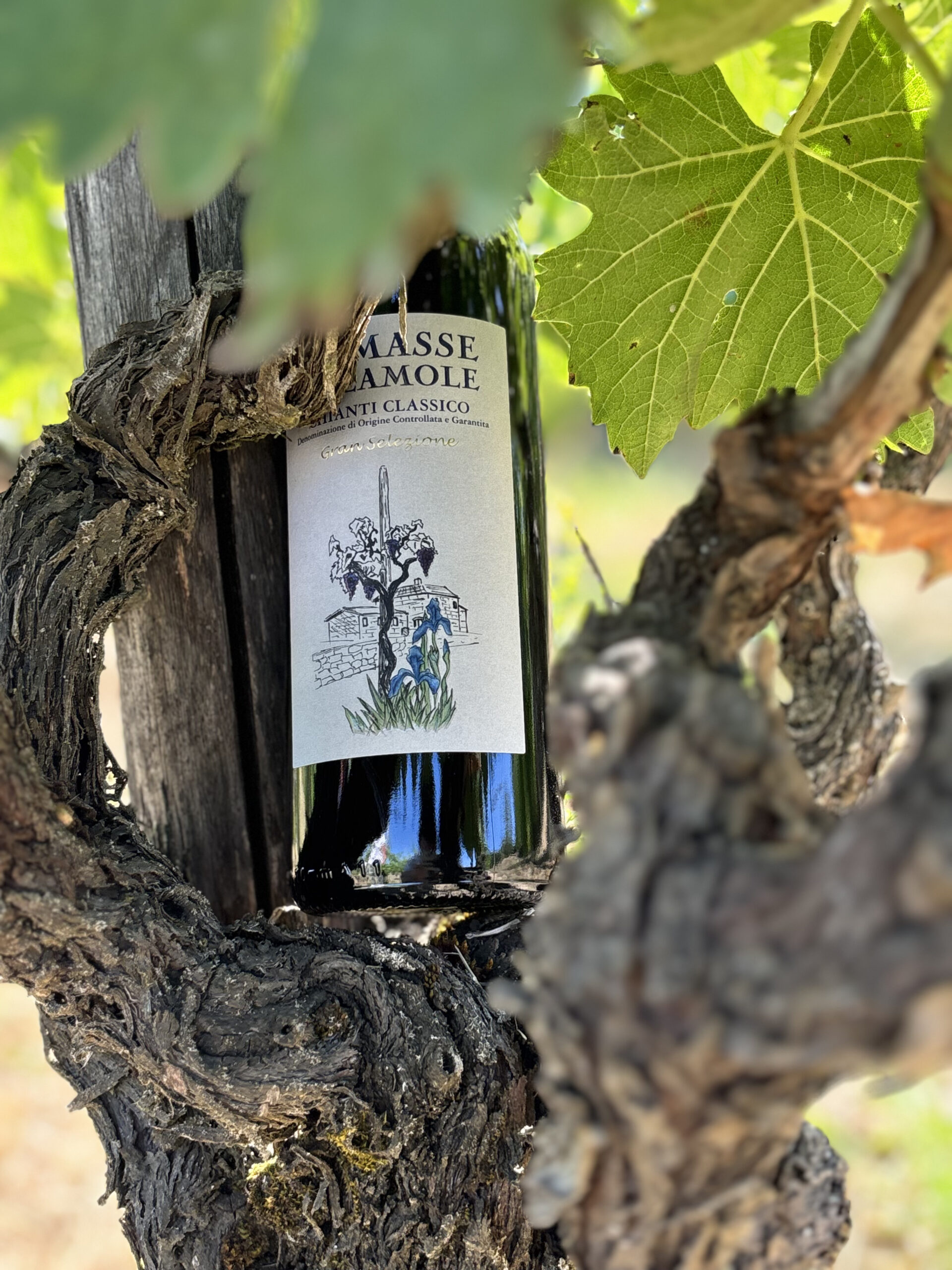
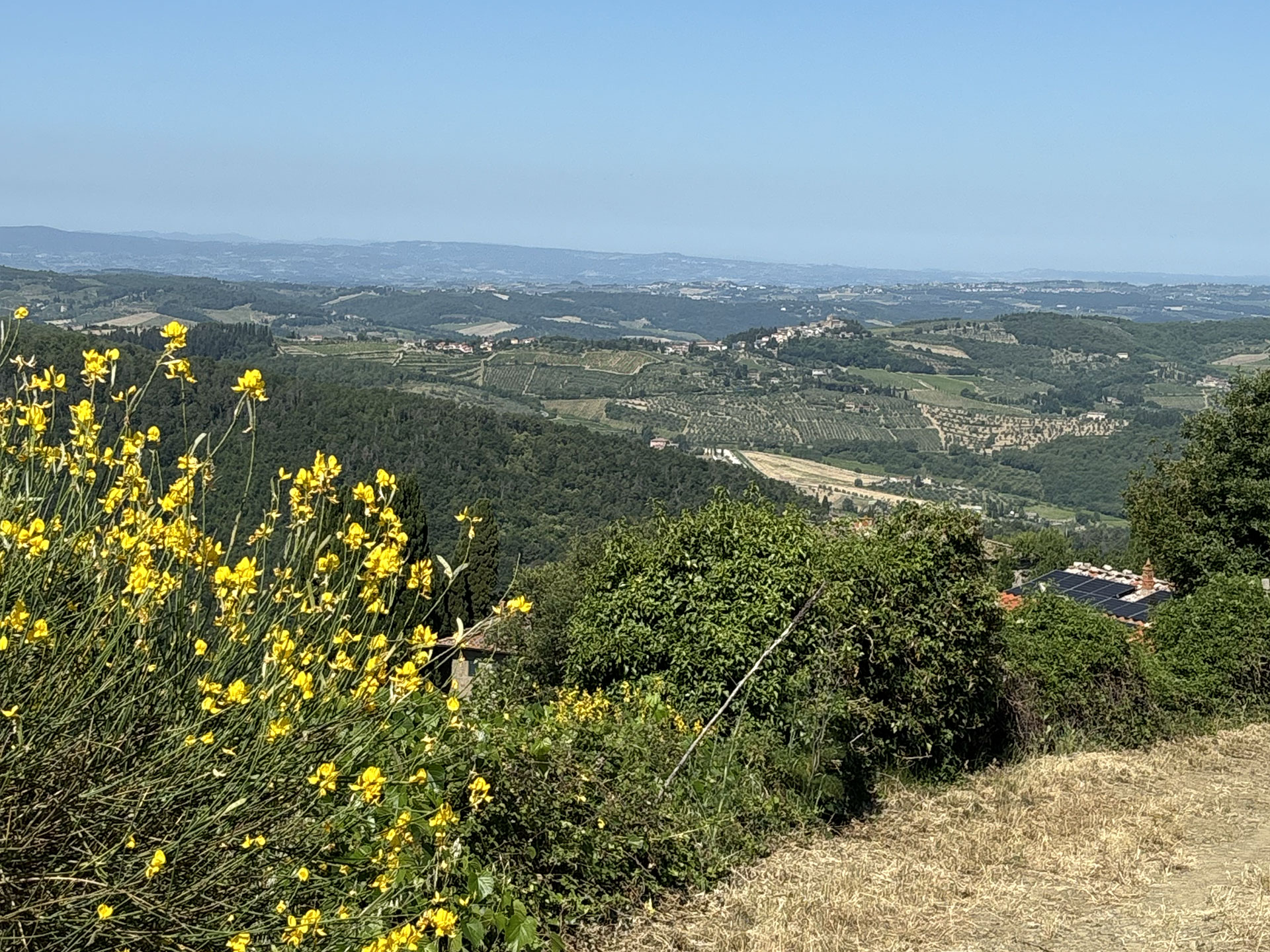
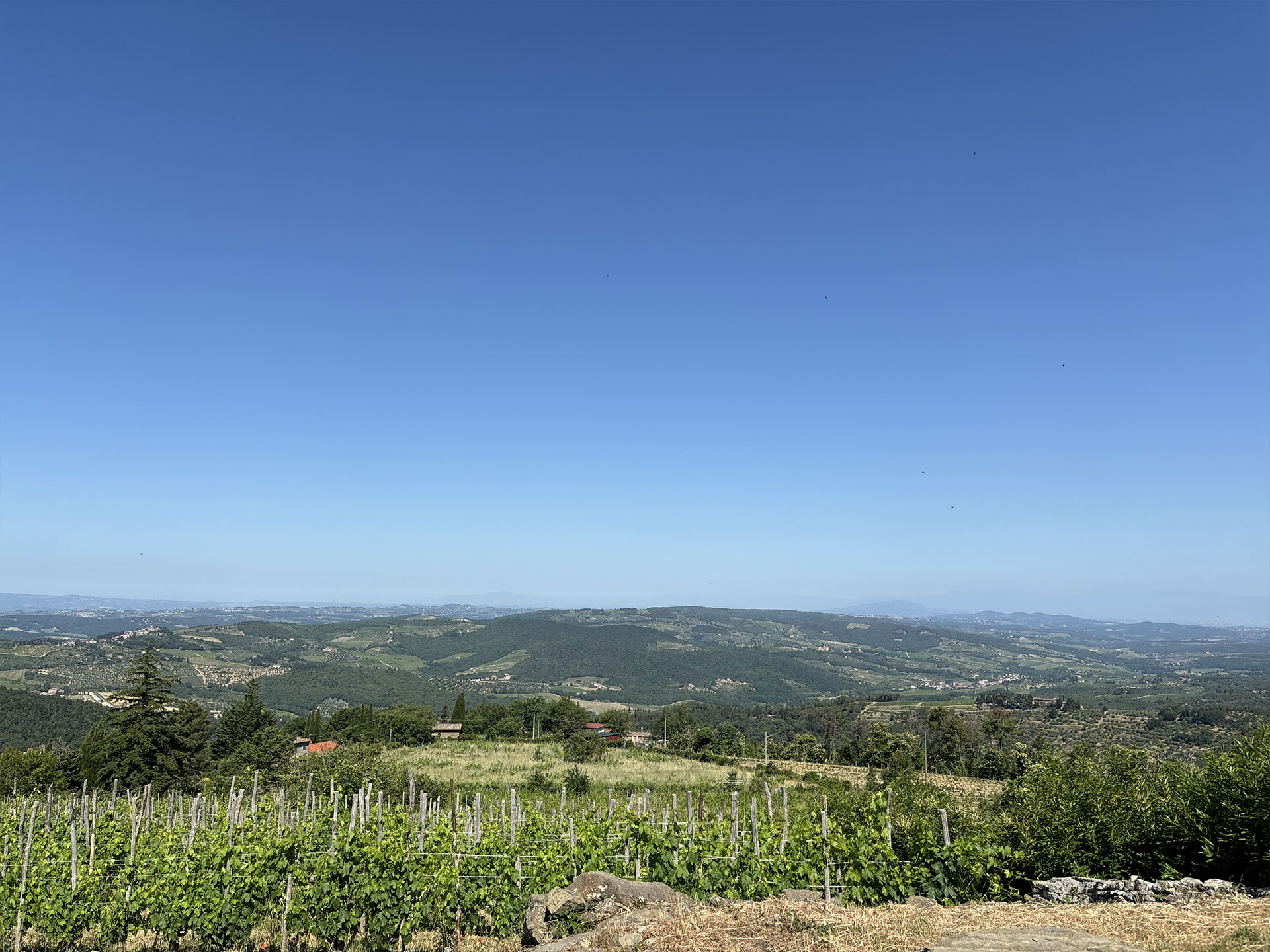
The wines of Le Masse di Lamole are produced from vineyards located on the historic terraces of Lamole, one of the most prestigious areas of Chianti Classico.
Tel./Fax 39 055 8547131
E-mail: lemassedilamole@virgilio.it
© 2026 Azienda Agricola Le Masse di Lamole di Socci Anna Maria – P.IVA: IT04880940483 CF: SCCNMR60L61E169T
Sconto sul primo ordine
